
Bhopal, Madhya Pradesh
Host City, PIFFI 2026
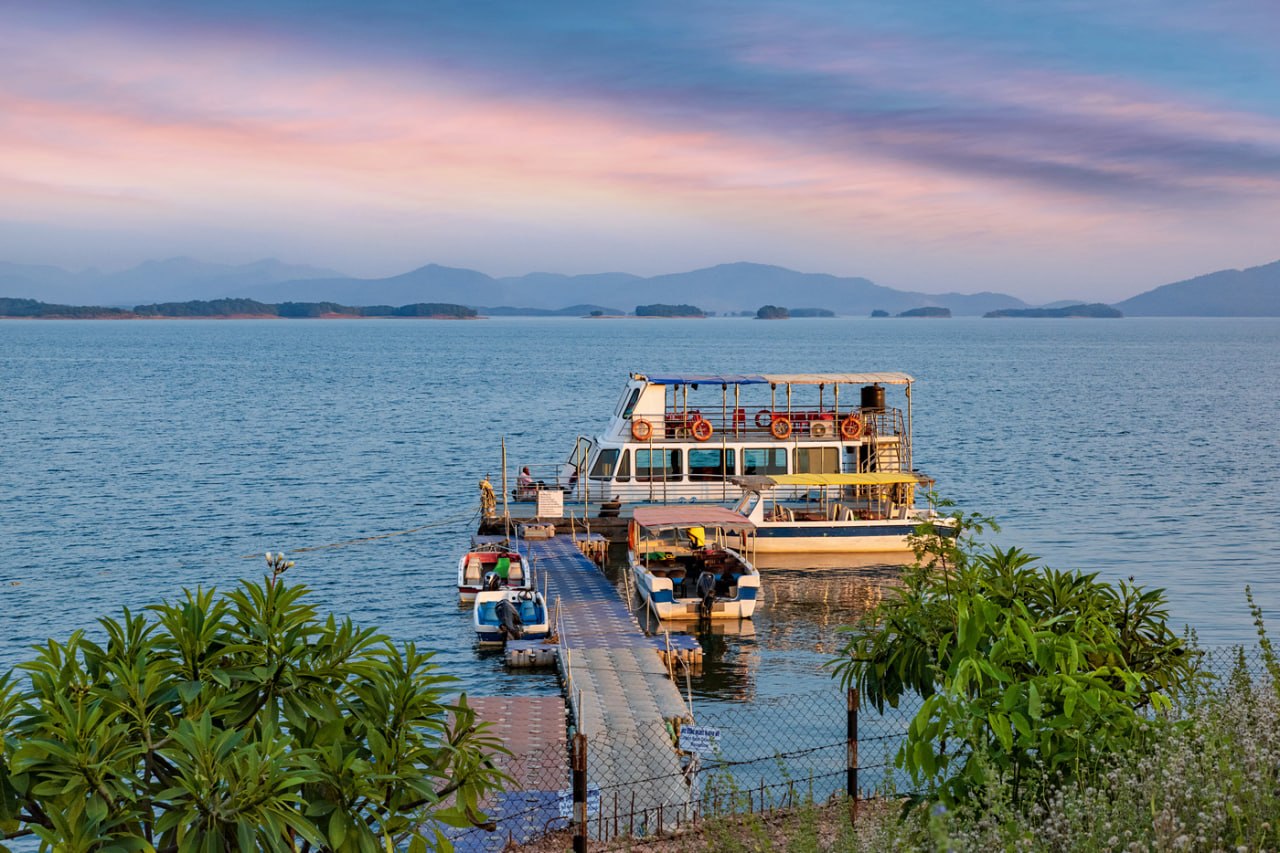
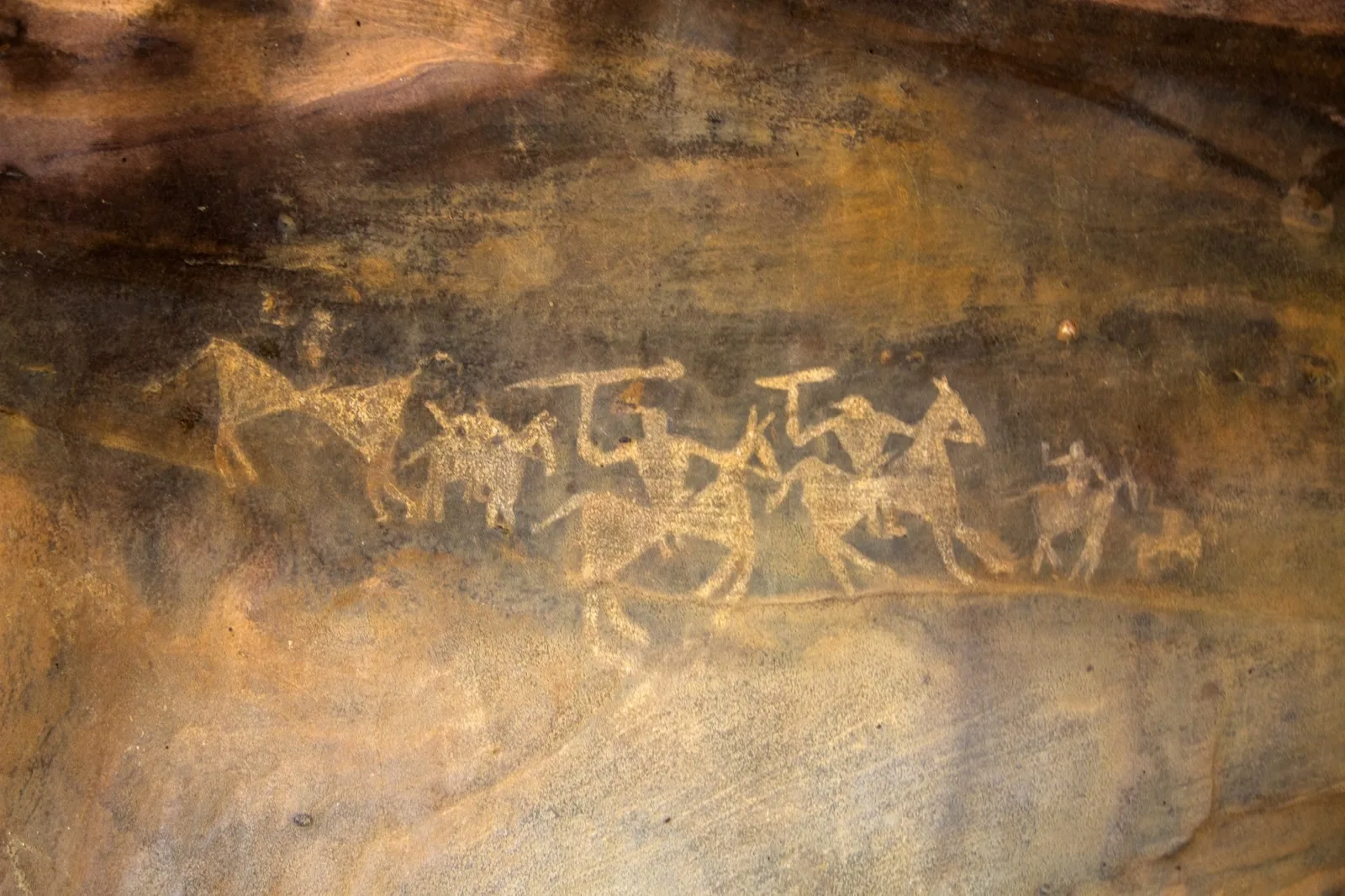
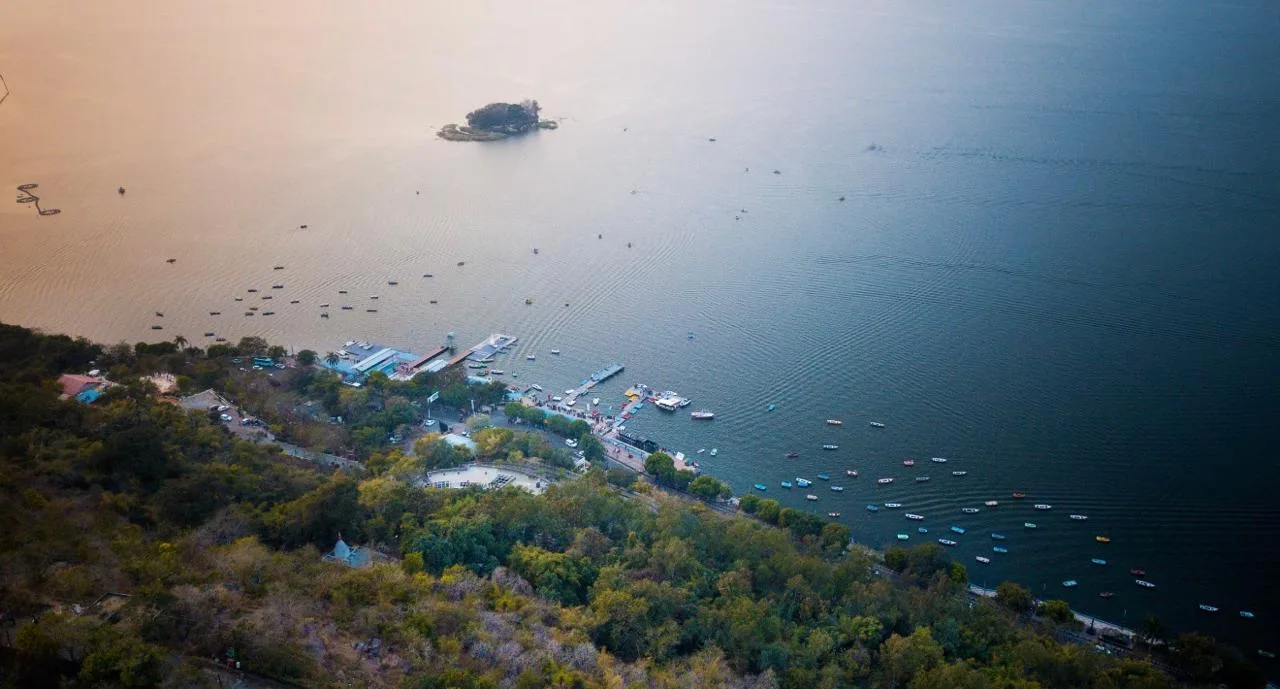
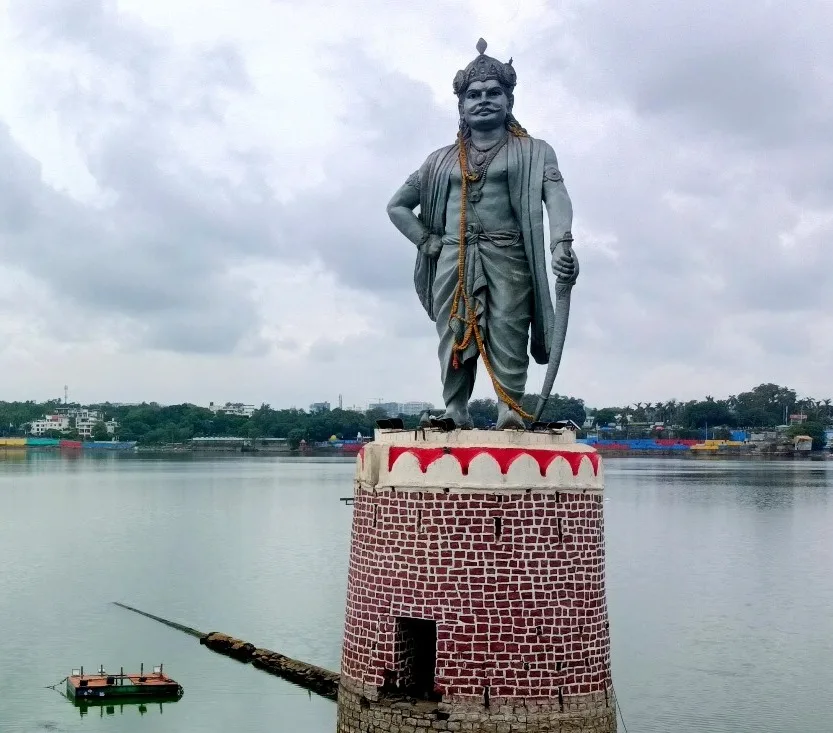
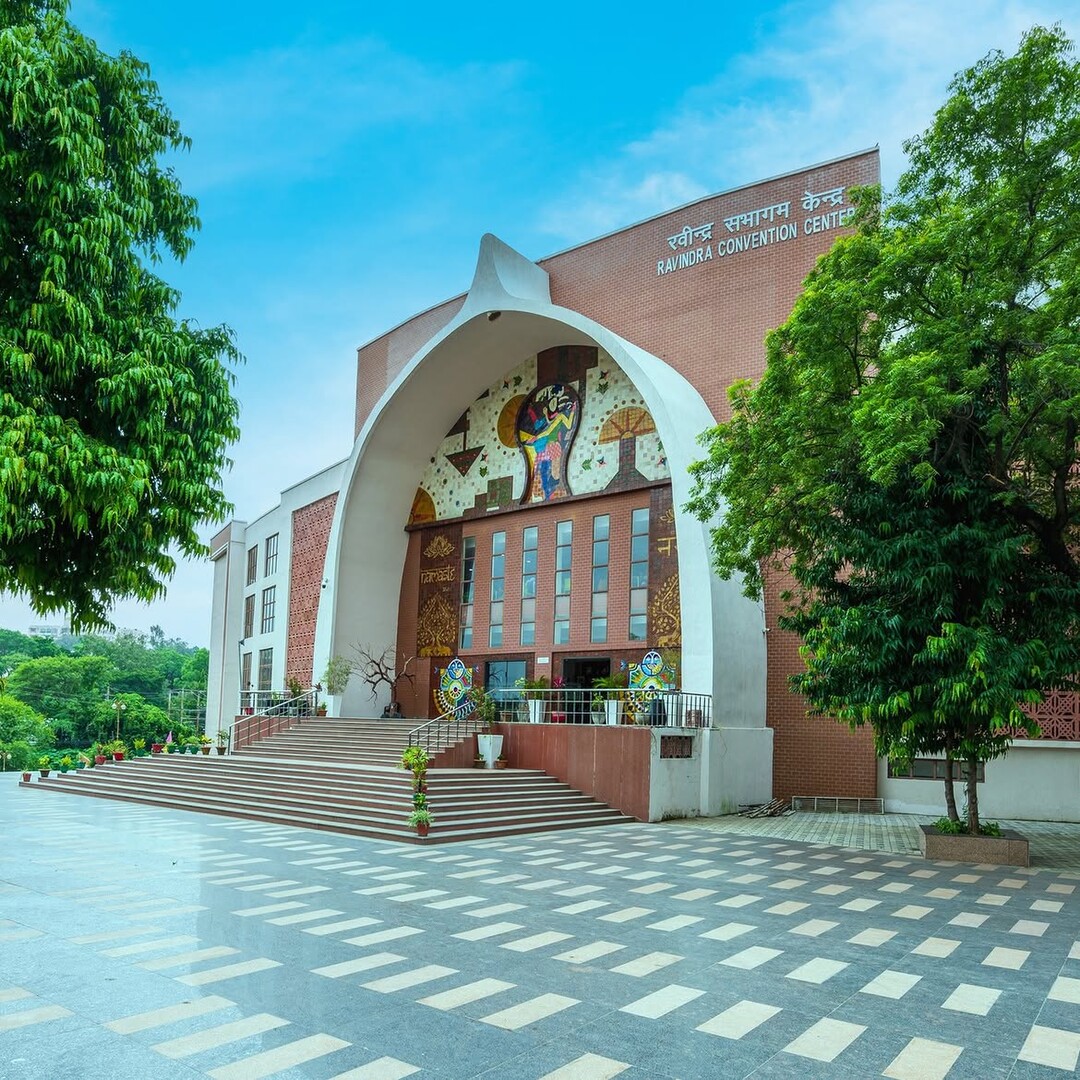
Where history, human civilization, tribal culture and nature meet in a single frame
At the heart of India, in the land known as Madhya Pradesh, stands Bhopal. One of the oldest and most singular cities the country has ever known. It was founded by Raja Bhoj, the great emperor of the Parmar dynasty. He was not a conqueror alone. He was a rare scholar, a visionary planner of cities, and a master engineer of water. The vast Bhojtal, the great lake he shaped, still shimmers today as living proof of his foresight and his craft.
A Meeting Point of India's Consciousness
Just beyond the city lies Bhimbetka, among the earliest signatures of human civilization anywhere on earth. Here the Indian archaeologist Dr. Vishnu Shridhar Wakankar uncovered the ancient rock shelters, their walls still holding some of the first stories humankind ever chose to paint. And in 1982, Dr. Arun Kumar Sonakia lifted from the earth at Hathnora, in Narmadapuram, the skull of the Narmada Man. A fossil close to three hundred thousand years old. It remains one of the most important traces of early humanity found anywhere in the Indian subcontinent, and a discovery the world still turns to when it asks how we became who we are.
Nearby, between the ranges of the Vindhya and the Satpura, flows the Narmada. Among the most ancient rivers on the planet. She is not water alone. She is the lifeline of Indian faith, culture and civilization, a current that has never once stopped moving.
Bhopal itself is rich in forest, water and living things. One of the greenest cities in the nation, wearing its wilderness with quiet pride.
Around it, the tribal heartland of Madhya Pradesh still lives in step with the earth. The Gond, the Bhil, the Baiga, the Korku, the Bharia and many more carry an unbroken inheritance of folk tradition and ancient wisdom. A way of living in harmony with nature that the modern world is only beginning to relearn.
And the story of Bhopal is, remarkably, a story told by women. Its first sovereign was Rani Kamlapati. For nearly a century and a half after her, Qudsia Begum, Sikandar Jahan Begum, Shah Jahan Begum and Sultan Jahan Begum ruled and shaped this city with rare command. Few places in the history of the world have been guided by women for so long.
The evidence of the earliest human life. The architectural imagination of Raja Bhoj. The eternal flow of the Narmada. The living pulse of tribal culture. The proud legacy of the women who ruled. Together these make Bhopal far more than the capital of a state. It is a singular meeting point of India’s historical, cultural and civilizational consciousness. A city where, long before cinema, light first learned to tell a story.